Kangeyam Global International School (CBSE) Students and Teachers attended 2 days Tai Chi camp and practice daily.
#taichi #taichipalani #taichischool


KIDS TAI CHI TRAINING



Kangeyam Global International School (CBSE) Students and Teachers attended 2 days Tai Chi camp and practice daily.
#taichi #taichipalani #taichischool


The majority of active seniors want to stay independent as they age. While 71% of seniors say they commonly read and many others say they regularly garden, watch TV, and pursue religious activities, there’s a particular activity that could provide a host of health benefits for those over 50: Tai Chi.
This Chinese martial arts form is different from others in that it’s performed slowly with deliberate postures. While it can be practiced for self-defense, it’s also commonly used to improve balance. It does provide other health benefits as well; considering that one-hour of moderate intensity martial arts activity can burn up to 500 calories, it’s no surprise that many seniors who practice Tai Chi are able to maintain their weight and reduce the effects of other health conditions.
But the balance improving component is what appeals most to many seniors and caregivers. According to the U.S. Centers for Disease Control and Prevention, an older adult is transported to the emergency room for fall-related injuries every 11 seconds. It’s actually the leading cause of accidental death among individuals over the age of 65. But recent studies have found that practicing Tai Chi could help. In a 2014 analysis of the connection between the martial art and balance, researchers found that the “practice was beneficial to improve balance control ability and flexibility of older adults, which may be the reason for preventing falls.”
These sentiments are echoed by Peter M. Wayne, an associate professor of medicine at Harvard Medical School, who told MarketWatch.com: “Across multiple studies, Tai chi appears to reduce the risk of falling by 20% to 45% and is considered one of the best exercises available for ambulatory older adults with balance concerns.”
The National Center for Complementary and Integrative health also agrees that practicing Tai Chi can improve balance and stability for seniors, and a 2011 study published in the British Journal of Sports Medicine noted the same. This is likely why nursing homes and senior programs all across the nation have started to offer classes to benefit residents. It’s a much gentler approach to exercise that doesn’t require pushing one’s body to the limit. It’s also found to be beneficial to one’s psychological health, which is an added plus for senior minds. The Mayo Clinic reports that Tai Chi can actually lower anxiety and depression, boost energy levels, strengthen the muscles, improve flexibility, and lower blood pressure rates. And according to InsideElderCare.com, Tai Chi may even promote faster recovery following strokes or heart attacks and improve the lives of patients with dementia diseases.
The truth is that just about anyone can benefit from the positive effects of Tai Chi. But this practice is of particular use to seniors who want to prevent future falls and keep their minds sharp.


At this point, pretty much everyone knows that some form of physical activity is good for us. In fact, research shows that being physically active is pretty much the magic pill for whatever ails you. And especially as we age, it becomes very important in maintaining mobility and independence and thus, quality of life.
A form of physical activity that is a great option for many, particularly those aged over 65 years, is called Tai Chi. Though it is probably safe to say that it has been around for centuries (it stems from ancient Chinese medicine, philosophy and martial arts), it is now seeing a huge rise in popularity and visibility.
The recent popularity of Tai Chi is due to the fact that it is a low-impact form of exercise, which makes it an activity that is suited perfectly for old and young alike. Additionally, it has been researched extensively and shown to have benefits that are “vast and hard to oversell,” notably including reducing fall risk. One article challenged that it is as good for you as running, walking or CrossFit (“Why Tai Chi Is As Good For You As CrossFit,” Time Health, April 28, 2017.)
One of the most prominent benefits of Tai Chi is the reduction of fall risk through improvement in strength, balance and stability. Each year about one-third of adults aged 65 years and older experience a fall, with a good number of these falls resulting in injury and contributing to loss of mobility.
Tai Chi has been shown to help prevent these falls, reducing fall risk by as much as 55 percent. Because of this, Tai Chi programs have been developed to specifically reduce falls among older adults. One of these fall-reducing programs is called Tai Chi: Moving for Better Balance, which is now available in Evanston through Uinta County Public Health.
In addition to promoting balance and mobility, Tai Chi has been shown to reduce blood pressure, improve muscular strength, improve sleep quality, reduce depression, enhance mental well-being, and improve the overall quality of life. Harvard Health Publications states that “this gentle form of exercise can prevent or erase many ills of aging and could be the perfect activity for the rest of your life.”
Because of its meditative quality, participating in Tai Chi triggers the relaxation response, which is an actual physiological change that helps to undo the negative effects of stress on the body.
“And it is really fun,” adds Tai Chi: Moving for Better Balance instructor Angie Fessler.
Tai Chi is a set of movements, known as forms, which are performed in a slow, controlled manner. The meditative quality comes through focusing on the body as it moves, and setting the tempo through controlled breathing.
Although it is low-impact, slow and smooth, Tai Chi is also continuous movement, with constant shifting of weight, which improves both stability and mobility and brings attention to the body’s base of support and the changing center of gravity.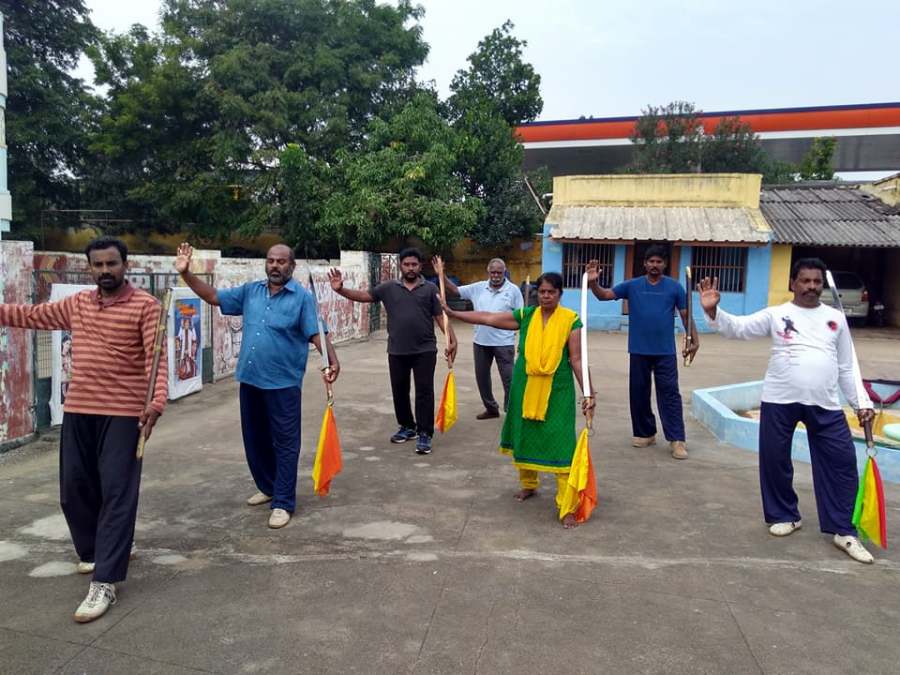
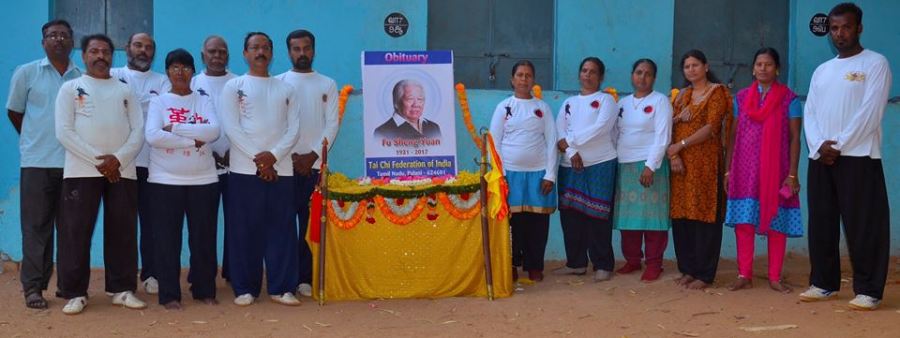
 TAI CHI FEDERATION OF INDIA , PALANI