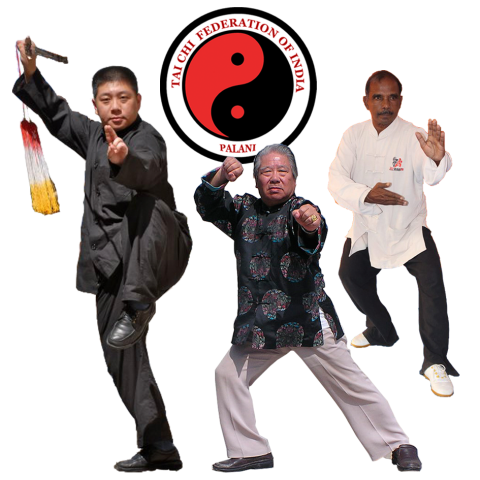



At this point, pretty much everyone knows that some form of physical activity is good for us. In fact, research shows that being physically active is pretty much the magic pill for whatever ails you. And especially as we age, it becomes very important in maintaining mobility and independence and thus, quality of life.
A form of physical activity that is a great option for many, particularly those aged over 65 years, is called Tai Chi. Though it is probably safe to say that it has been around for centuries (it stems from ancient Chinese medicine, philosophy and martial arts), it is now seeing a huge rise in popularity and visibility.
The recent popularity of Tai Chi is due to the fact that it is a low-impact form of exercise, which makes it an activity that is suited perfectly for old and young alike. Additionally, it has been researched extensively and shown to have benefits that are “vast and hard to oversell,” notably including reducing fall risk. One article challenged that it is as good for you as running, walking or CrossFit (“Why Tai Chi Is As Good For You As CrossFit,” Time Health, April 28, 2017.)
One of the most prominent benefits of Tai Chi is the reduction of fall risk through improvement in strength, balance and stability. Each year about one-third of adults aged 65 years and older experience a fall, with a good number of these falls resulting in injury and contributing to loss of mobility.
Tai Chi has been shown to help prevent these falls, reducing fall risk by as much as 55 percent. Because of this, Tai Chi programs have been developed to specifically reduce falls among older adults. One of these fall-reducing programs is called Tai Chi: Moving for Better Balance, which is now available in Evanston through Uinta County Public Health.
In addition to promoting balance and mobility, Tai Chi has been shown to reduce blood pressure, improve muscular strength, improve sleep quality, reduce depression, enhance mental well-being, and improve the overall quality of life. Harvard Health Publications states that “this gentle form of exercise can prevent or erase many ills of aging and could be the perfect activity for the rest of your life.”
Because of its meditative quality, participating in Tai Chi triggers the relaxation response, which is an actual physiological change that helps to undo the negative effects of stress on the body.
“And it is really fun,” adds Tai Chi: Moving for Better Balance instructor Angie Fessler.
Tai Chi is a set of movements, known as forms, which are performed in a slow, controlled manner. The meditative quality comes through focusing on the body as it moves, and setting the tempo through controlled breathing.
Although it is low-impact, slow and smooth, Tai Chi is also continuous movement, with constant shifting of weight, which improves both stability and mobility and brings attention to the body’s base of support and the changing center of gravity.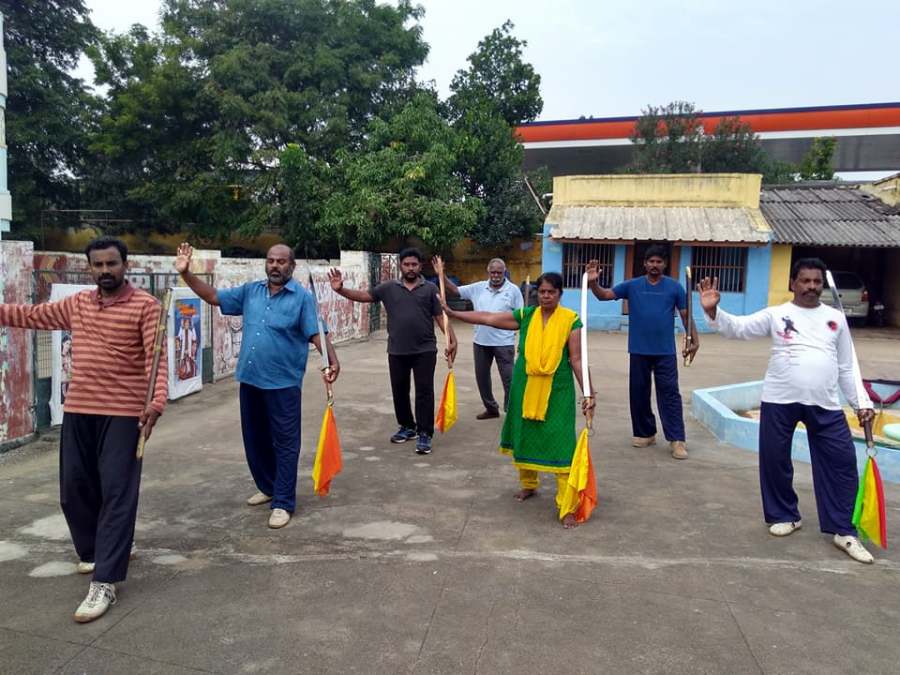
Cloud hands, single whip, white crane spreads wings – you’ve probably never heard of these terms unless you practice tai chi, an ancient Chinese tradition that focuses on “meditation in motion.” Tai chi in modern form reduces stress and anxiety as well as improves balance and strength all through special movements often named after animals, combined with deep breathing, relaxation techniques, and a tranquil state of mind.
Tai chi has great depth and history, but is easy to learn for those just beginning. The exercise can improve cardiovascular fitness, reduce blood pressure, and alleviate stress. It has even been used for its antiaging effects, and has previously improved oxidative stress response and DNA damage and repair in women. Plus, research shows that it might have the power to change marks on your DNA and ultimately influence the expression of genes.
A group of researchers from Australia assessed an epigenetic tag called DNA methylation, which is known to control gene expression. Methyl groups attach to certain genes – in this case, those related to aging – and control whether they are expressed or not. In this preliminary study, they investigated the pattern of DNA methylation at 60 specific CpG sites previously associated with age-related variations within the genome.
Over 200 women who had been practicing tai chi for 3 years were recruited for this study. Their methylation profiles were compared to women who had never practiced tai chi. Researchers found that for those who did practice, DNA methylation was less in four CpG areas and higher in two others.
“In the tai chi cohort all six marks demonstrate significant slowing (by 5–70%) of the age-related methylation losses or gains observed in the controls, suggesting that tai chi practice may be associated with measurable beneficial epigenetic changes,” the researchers stated.
Similarly, it is known that yoga may have an epigenetic basis to improving health. Those who practice yoga might have a reduction of a certain epigenetic mark on a gene linked to inflammation. Meditation, in addition to its longstanding health benefits, may also lead to epigenetic influences on well-being. Tai chi incorporates essential aspects of both of these practices.
“This work has provided preliminary evidence that tai chi practice may be associated with measurable beneficial epigenetic changes,” the group reported. “The ability to measure such changes at the molecular level opens up the possibility of designing new and objective approaches that can be used to delineate the biological mechanisms and the health and therapeutic efficacies of tai chi.”


2. Soaring and turning, dodging and spreading in an elevated fashion
“Soaring, Turning, Dodging and Spreading”
3. Glancing to the left and to the right and spreading out
“Glancing to Left and Right”
4. White crane unfolding its wings with ‘Wuxing’ palm.
“White Crane Spreading its Wings”
5. The Lotus flower hidden amongst the leaves as the wind blows.
“The Wind Rolls the Lotus Flowers”
6. Jade Lady working at her shuttles in eight directions.
“Jade Lady Working her Shuttles”
7. Opening and Closing of the “Three Stars” of the body in a free display
“Opening and Closing of the Body”
8. Rising to kick followed by “striking the tiger” postures
“To Kick and to Strike the Tiger”
9. Covering body and turning sideways to kick like a mandarin duck
“To Kick like a Mandarin Duck”
10. Whipping the sabre like pushing a boat along with the current
“Pushing a Boat Along with the Current”
11. Co-ordinated horizontal movements with body, arms and legs
“Horizontal Co-ordinated Movements”
12. Parting water left and right and to jump up the Dragon Gate
“Jumping up the Dragon Gate”
13. Concluding the form like a phoenix returning to roost
“Phoenix Returning to Roost”
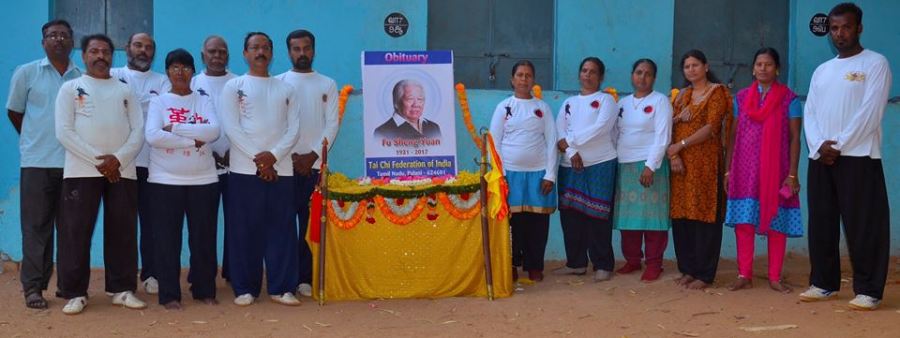
 TAI CHI FEDERATION OF INDIA , PALANI